The Master's Pattern: Reclaiming Identity Through a Golf Bag
The Master’s Pattern: Reclaiming Identity Through a Golf Bag
by Kenyon Kemnitz
Even in the quietest hours of the night at Jefferson Memory Care, Roberto Esparza’s hands are busy. While he sleeps, his fingers move with a rhythmic, invisible precision—guiding, pulling, and stitching. It is a "muscle memory" developed over six decades, a silent tribute to the man who arrived in California at nineteen with a third-grade education and the grit to become a master pattern maker for the world’s elite.
Roberto’s journey began on March 22, 1945, in Fresnillo, Zacatecas, Mexico. The third oldest of nine children, his life was defined by responsibility from a young age. When his father passed away and the family moved to his grandfather’s ranch, Roberto’s formal schooling ended so he and his brother, Jesus, could work the cornfields to help support the family.
By age 15, his path shifted from the fields to the sewing machine. Under the guidance of his aunt, he learned to sew shoes—a skill that would become his ticket to a new life. On April 1, 1965, he began his employment with a sporting good distributor, Ajay Leisure, in California. Though he arrived with little formal education, he was a natural scholar.
"He learned the English language when he started working at Ajay and by listening and repeating the words of his coworkers,” said Roberto’s daughter, Adriana Matijevich. “He educated himself some more on how to write and read on his own."
To the engineers at Ajay, Roberto was a "valuable asset" who could look at a flat roll of canvas and see a three-dimensional masterpiece. It was through his daily work—meticulously sewing bowling and golf bags—that he was first introduced to the game he would eventually grow to love.
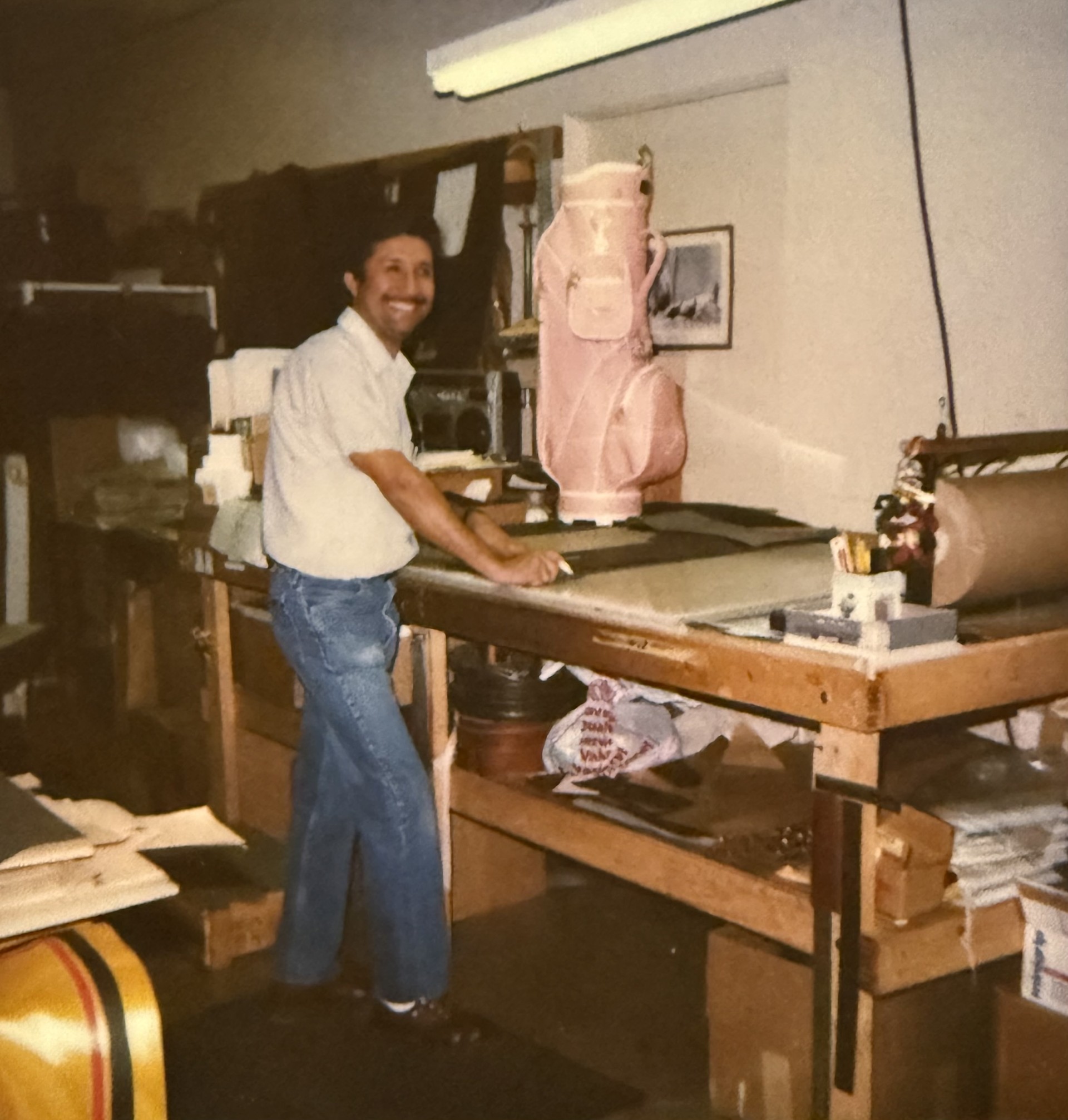
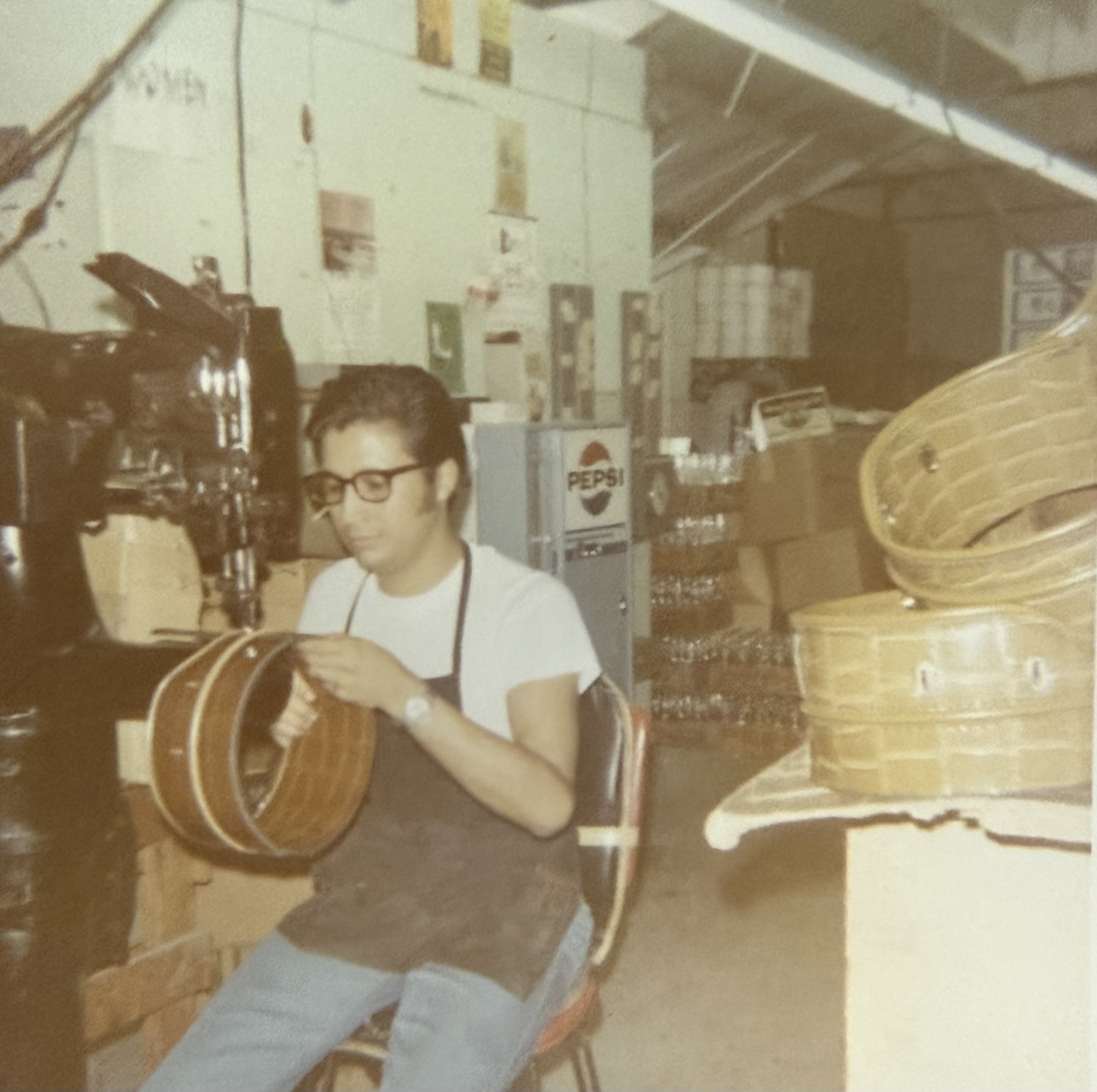
For years, Roberto created the prototypes that lead designers used to select the featured products for their catalogs and magazines.
“Dad would tell the engineers how many materials each bag would use for production,” Adriana recalled.
Roberto eventually became the craftsman who designed and sewed a custom bag for British golf legend Tony Jacklin—a feat he was so proud of that he painstakingly stitched a second, identical bag just for himself, reserved only for special occasions. Jacklin, now in the World Golf Hall of Fame, was the first British player in 18 years to win The Open Championship (1969) and first in 50 years to win the U.S. Open (1970).
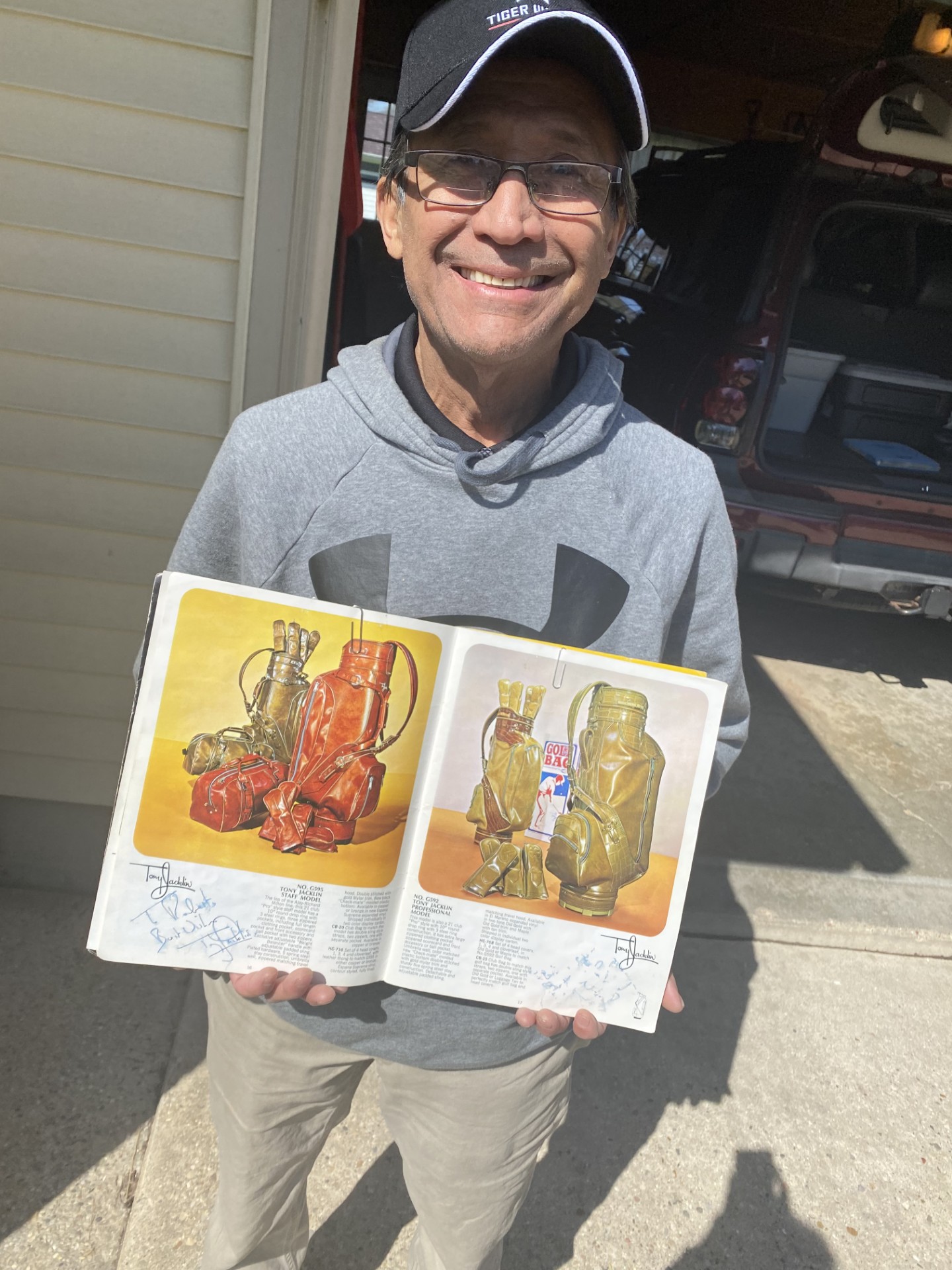
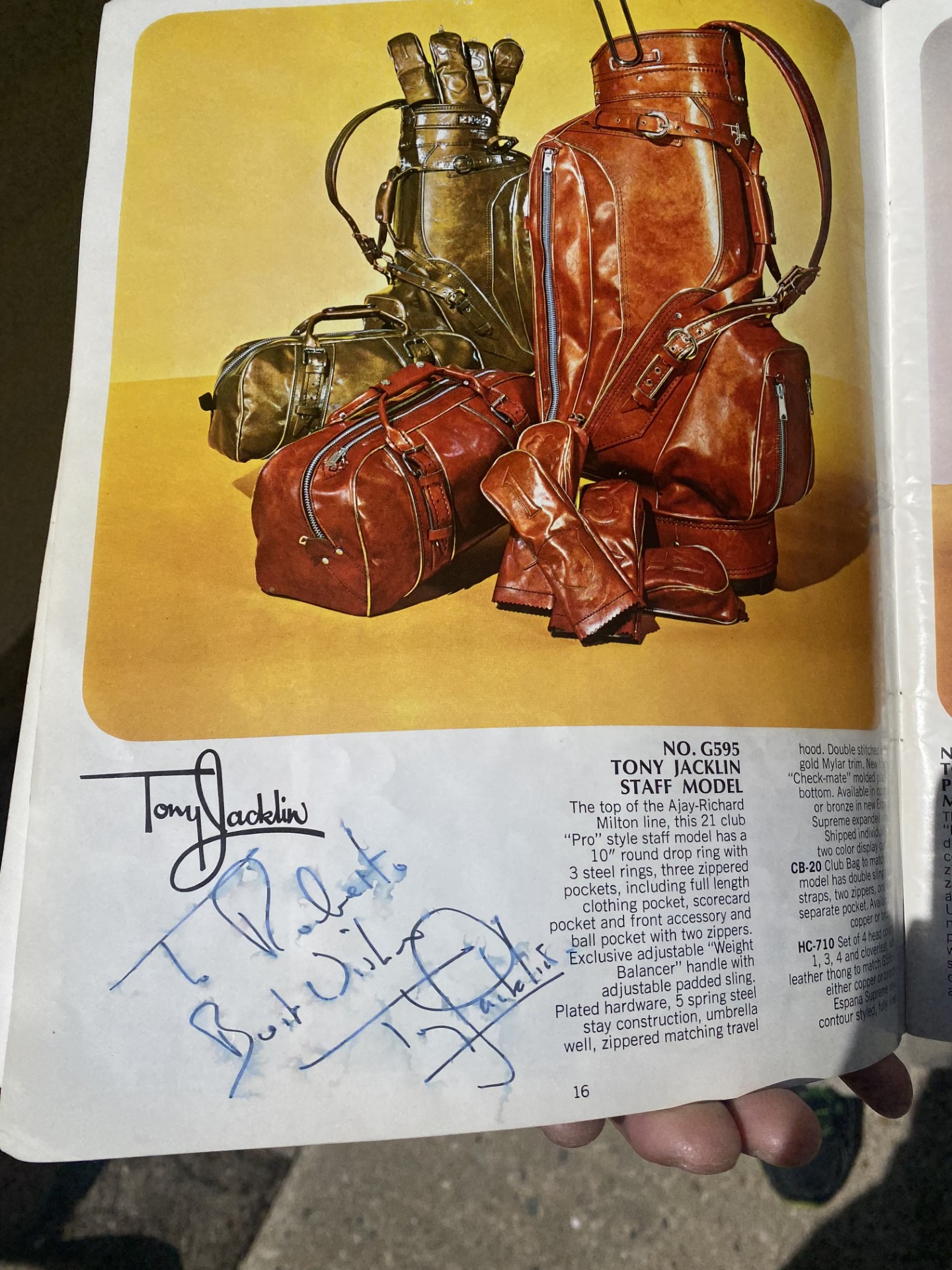
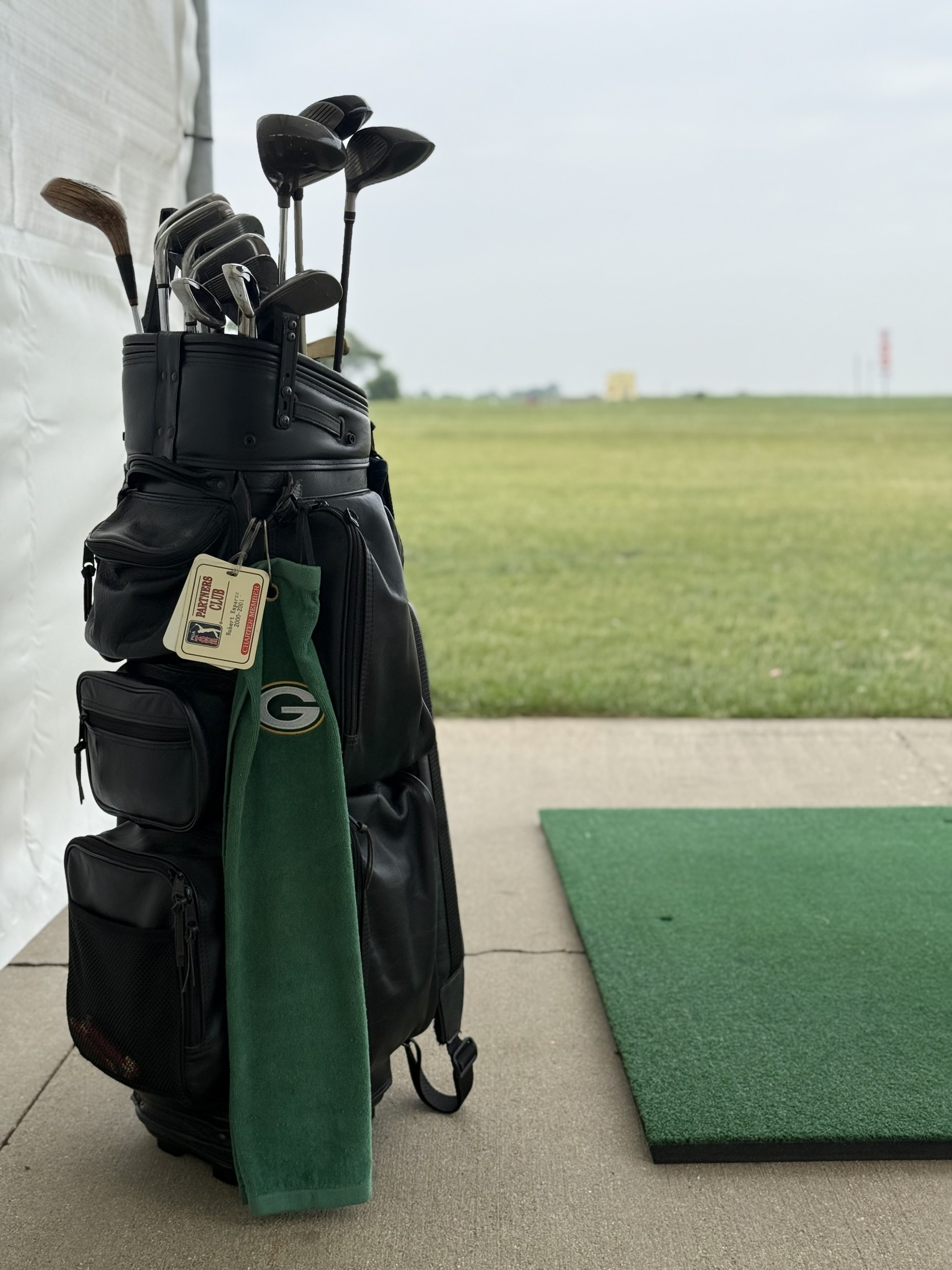
He was someone who was “always” working with his hands at home, fixing his children’s coat zippers, and hemming his wife’s pants and grandchildren’s clothes.
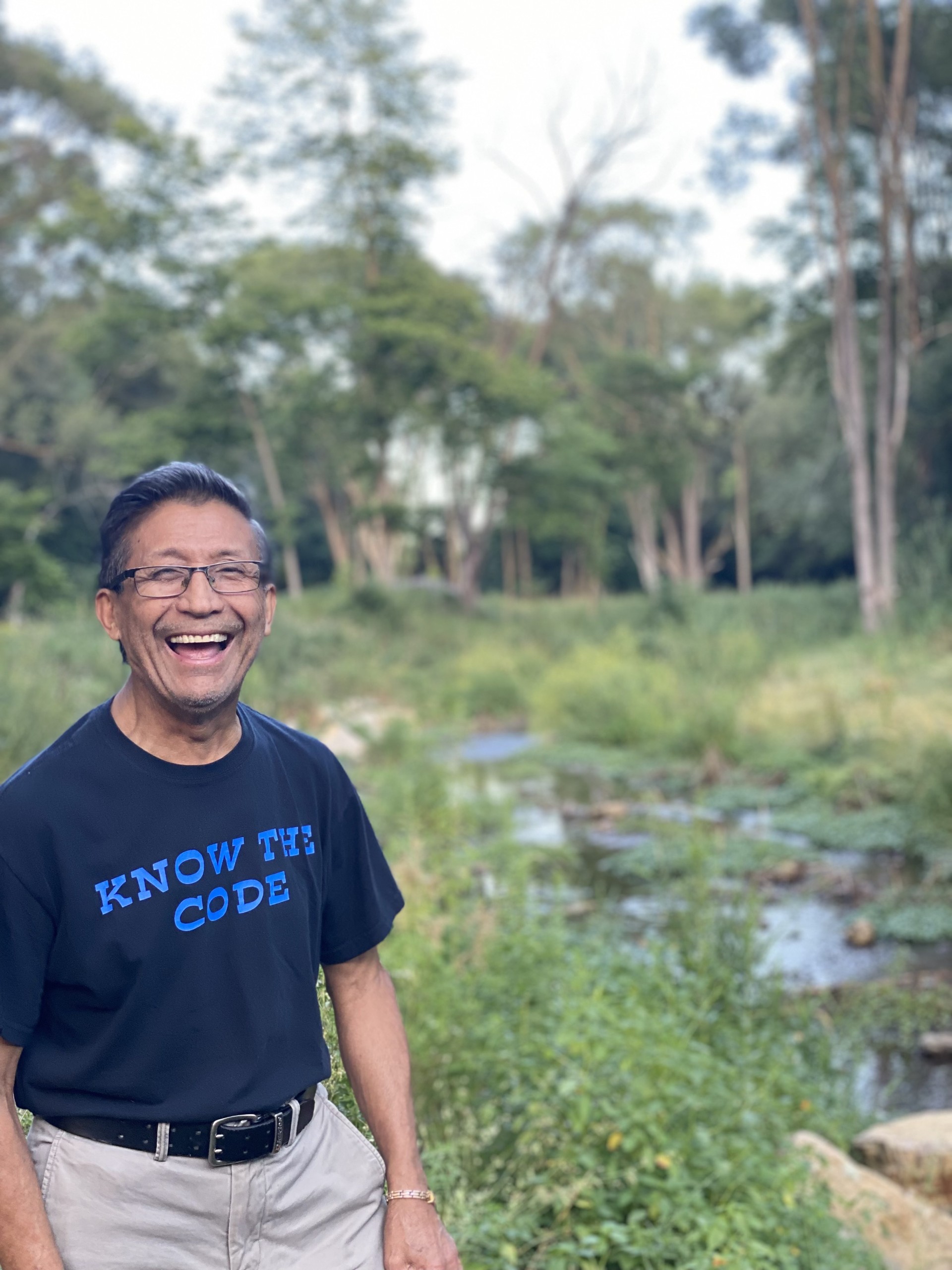
Today, Roberto’s world has changed, but his identity remains stitched into every "adventure" he takes. Though dementia has claimed many of his words, it hasn’t touched his spirit or the "contagious laugh" the neighborhood came to love or the “twinkle in his eye” that Rainbow Hospice RN Case Manager Kimberly Walker sees when she visits him.
"You know Roberto is amused by something all the time," Kimberly said. "He has the biggest grin, and he looks you in the eye when he smiles. It is a smile that says there is a laugh going on inside."
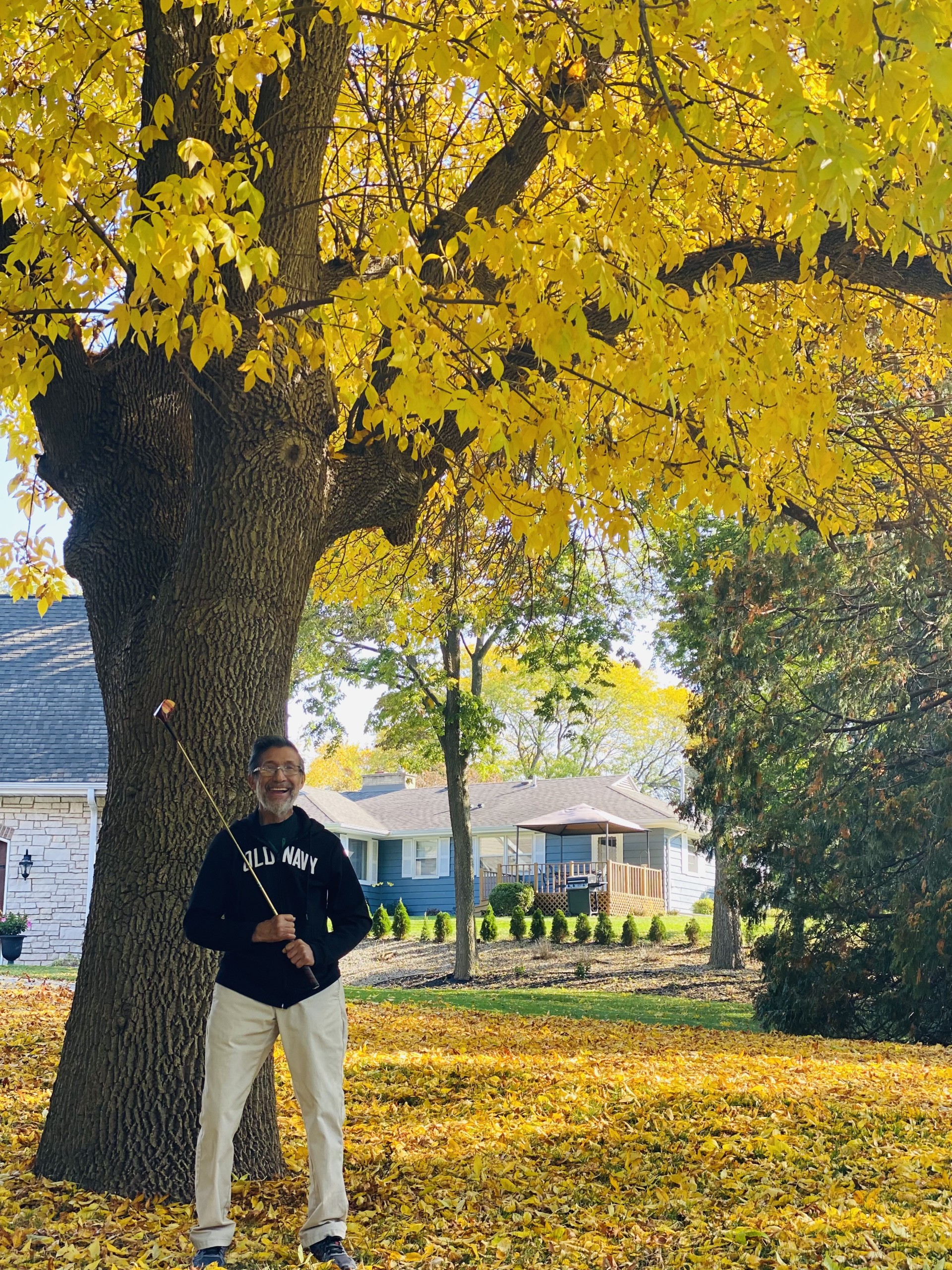
Roberto found a deep peace in being one with nature, often losing himself in the trees—watching the leaves in their quiet stillness or as they danced and rustled in the wind. He remains a fixture of the Janesville community—the man with the golf bag and pushcart who treated every walk like an expedition.
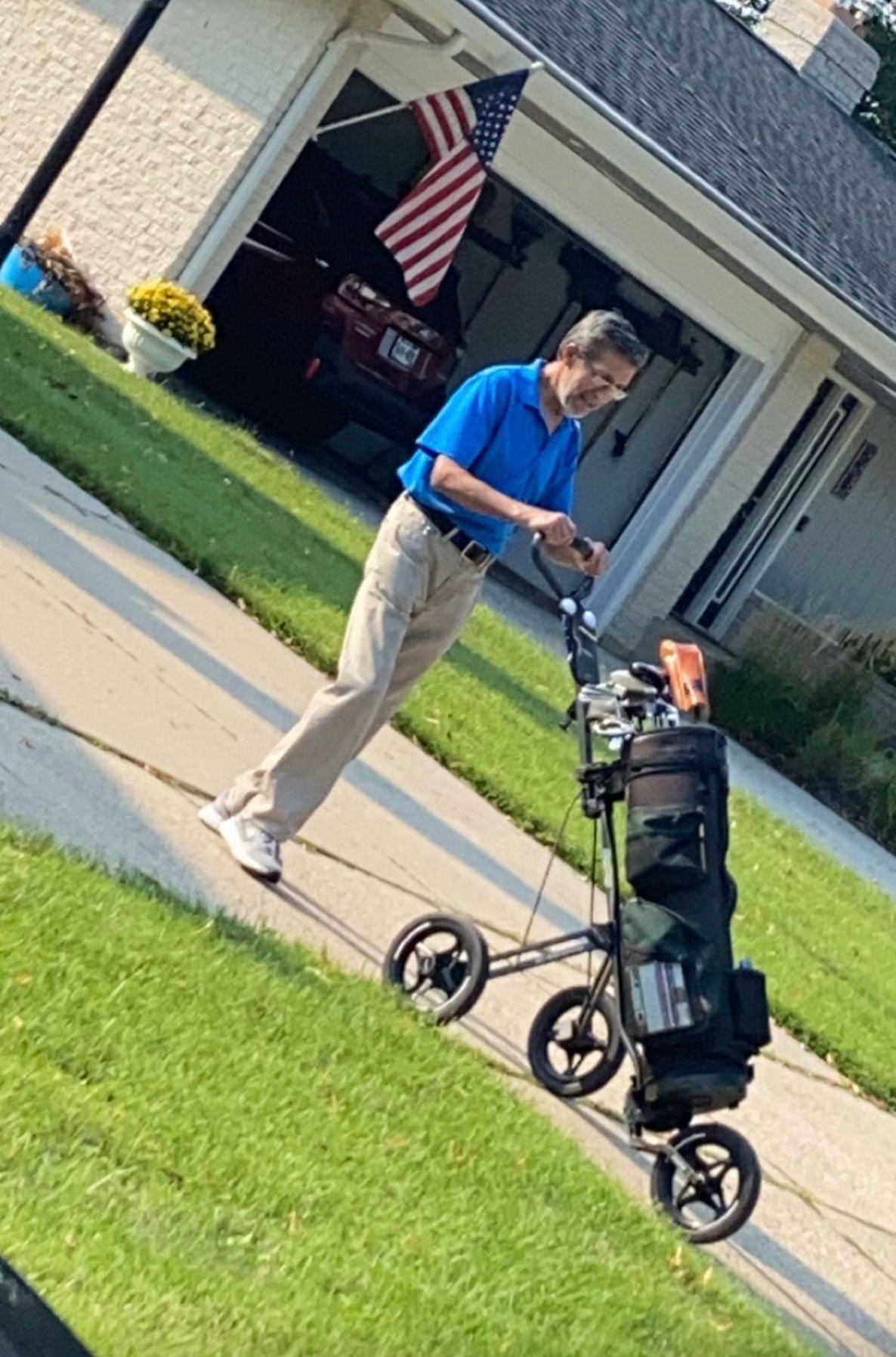
He had his favorite "stations" where he would wait for the world to come to him: the stream off Ruger Avenue where he’d watch for deer and turkeys to cross, or the bridge on Wright Road. He especially loved the tunnel, where he would run and yell just to hear his own voice echo back at him. Often, he would return from these trips with "treasures" he’d found along the way—a particularly interesting rock, a colorful autumn leaf, or once, famously, a broken child’s bicycle he felt was too important to leave behind.
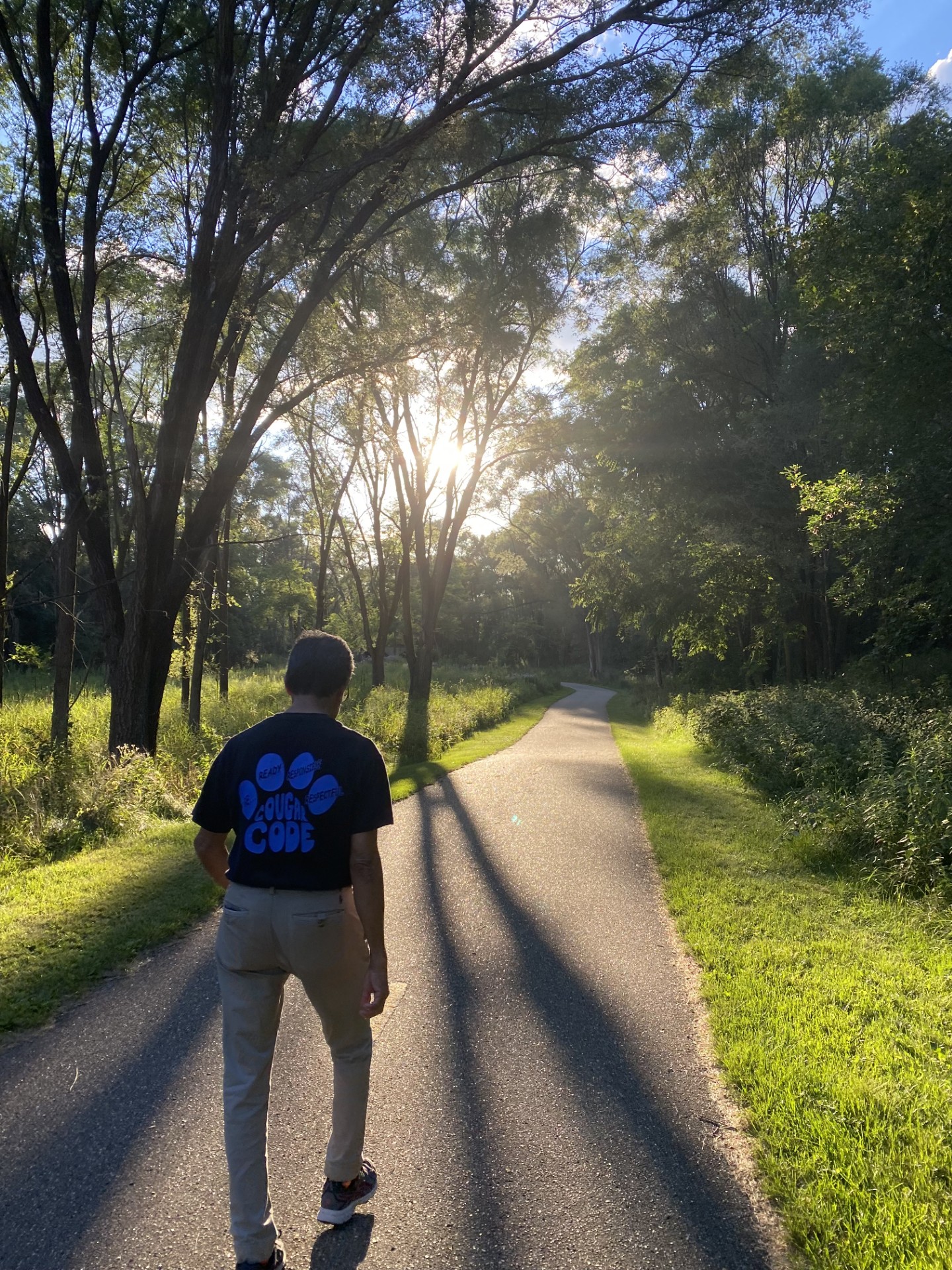
Even as his memory slipped, his kindness remained. He created a path for himself through the neighborhood that included going through his neighbors' own yards. They didn't see him as a stranger. They saw him as "Robert," and a guest who they welcomed. He would stop and talk to everyone and wish them a beautiful day, all while carrying his golf clubs. Roberto also regularly took time to help one neighbor pick her garden, his hands—once so precise with a needle—now finding a different kind of rhythm in the soil. He would often walk the neighborhood every few minutes, not realizing he had just completed a lap.
“Everyone was so caring and understanding as they would wave, talk, and allow dad to walk through their yards,” Adriana said. “Dad is very much missed in the neighborhood, and they often mention how they miss him, his smile, and his contagious laugh."
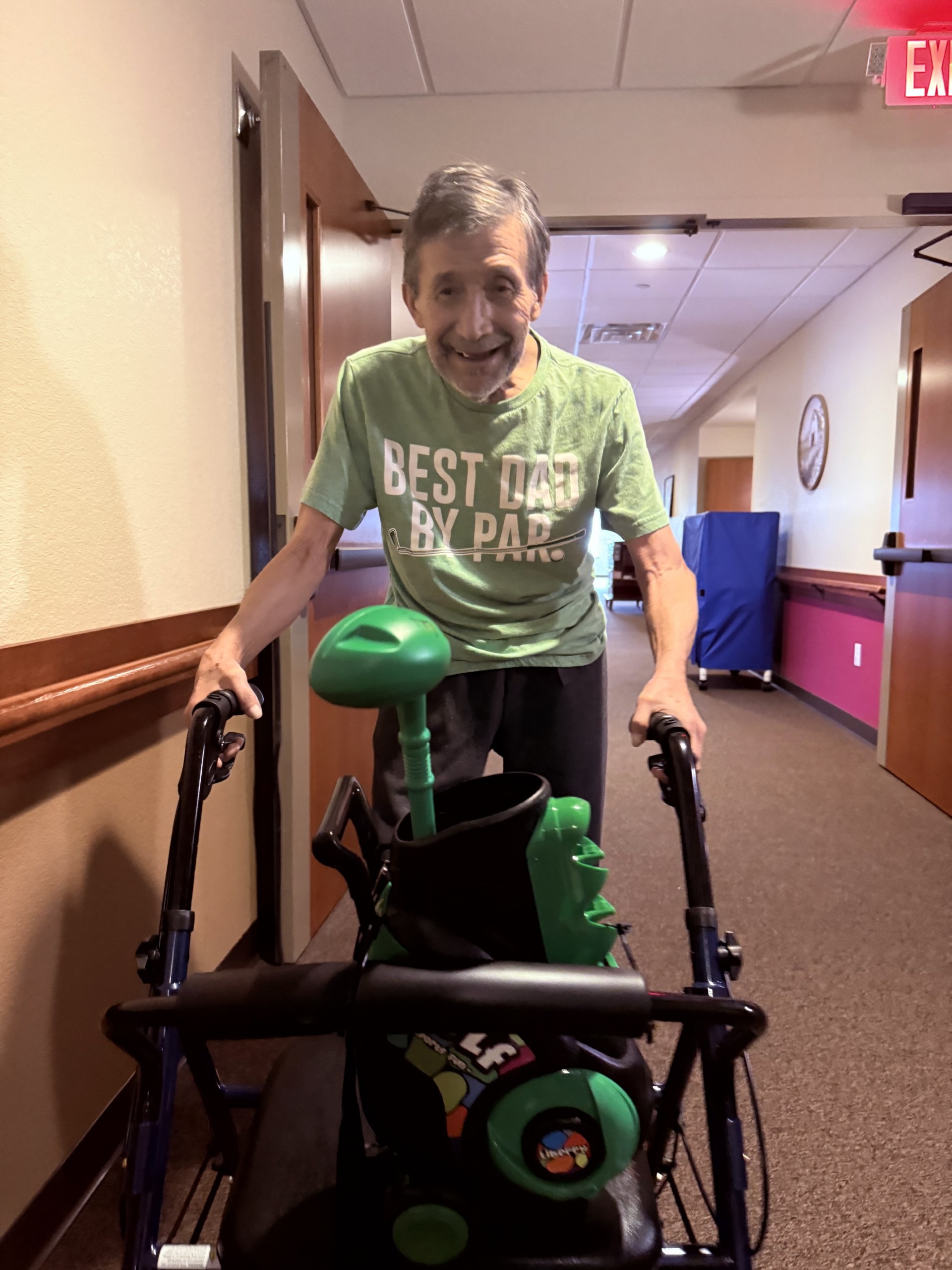
When Roberto moved to Jefferson Memory Care, the challenge was how to keep that adventurous spirit alive while ensuring his safety. During a conversation between Adriana and his RN Case Manager, Kimberly, they talked about the things he loved most. They realized that to help him remember to use his walker, they needed to make it a part of his story.
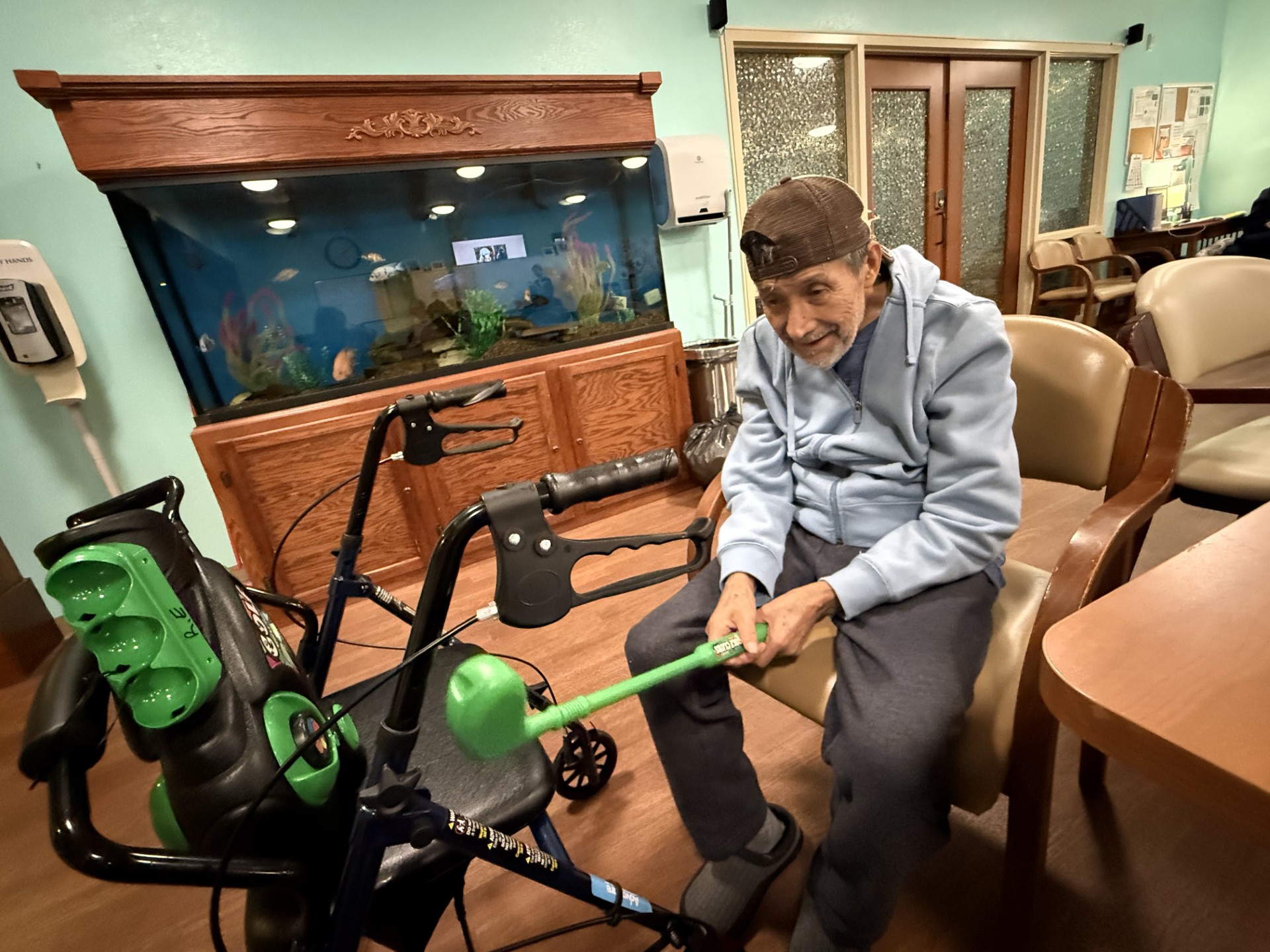
They decided to speak his language: his love of golf. Adriana found a small, child-sized golf bag and a plastic club and attached them directly to his walker.
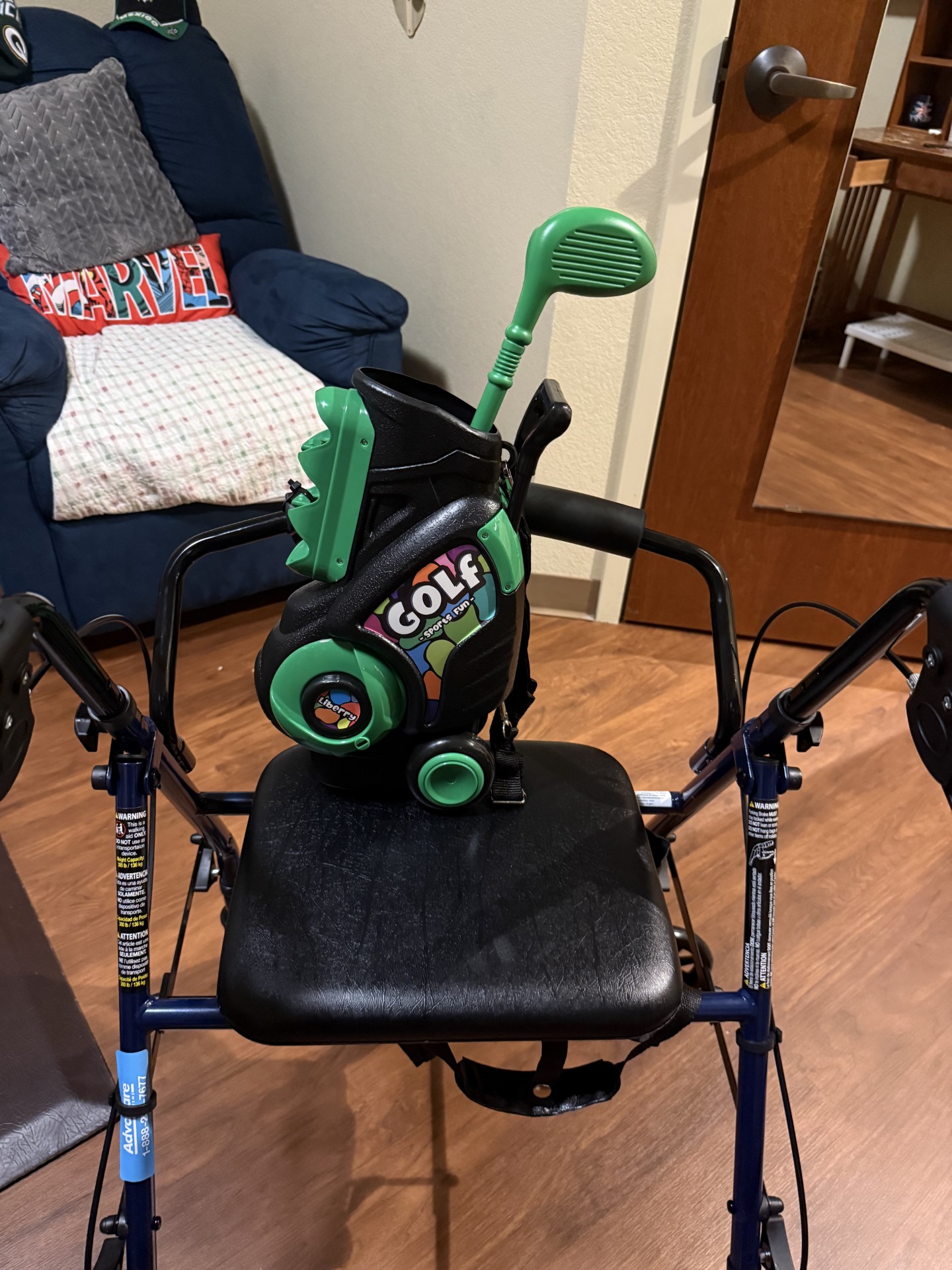
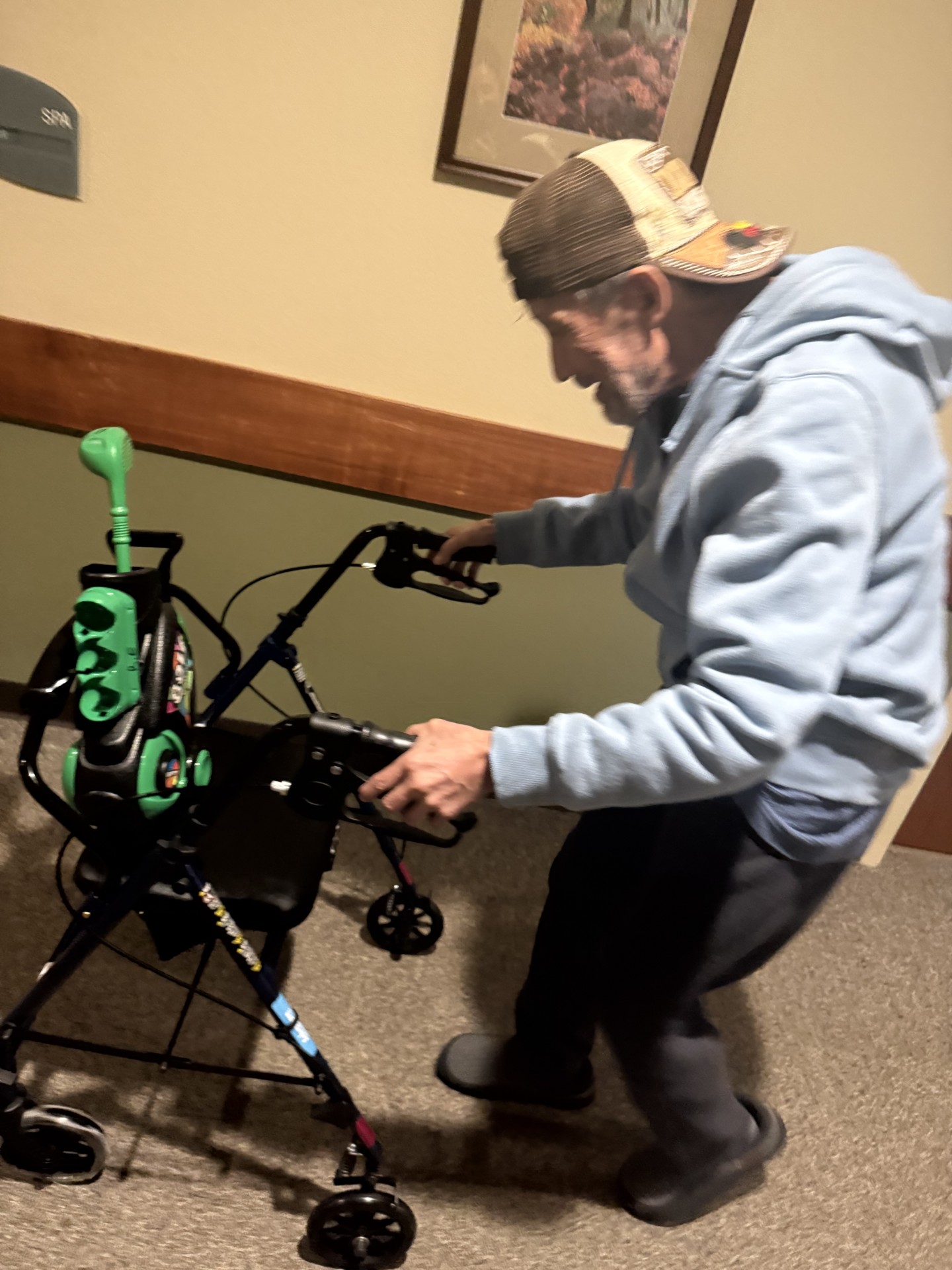
The result was immediate. When Roberto saw the bag, a massive smile took over his face.
The reaction from his nurse was one of instant joy.
"I teared up and laughed," Kimberly recalled. "I had not envisioned such a playful rendering of his art. He seemed to see the humor and also the honor it communicated."
He gripped the plastic club with the practiced hand of a man who had designed bags for the pros, and he even tried to take a swing. It wasn't just a piece of equipment anymore. It was now his "kit," and became his identity, repurposed for the journey he is on today.
The "kit" has become a beacon for the facility staff as well. From several yards away, they recognize exactly whose walker it is, ensuring it always finds its way back to him if it’s left behind. Most importantly, it keeps the mood light for everyone.
"It is hard not to smile when you see it," Kimberly said.
What stands out most to Kimberly is how Roberto’s family refuses to let him be lost to his diagnosis. While she often hears families say, "This isn't my father or mother anymore," Roberto’s family takes a different path.
"They try to draw him out of the veil of his dementia," Kimberly noted. "They know he is in there, but they just have to be more creative to connect with him now."
Today, Roberto’s life is a collection of "thousand-word" smiles and contagious giggles. Though he may not speak the words, he sings them. When the family plays Los Dandys’ "Cerca Del Mar," or Antonio Aguilar’s "Un Puño de Tierra," Roberto doesn't just listen—he dances and sings along, his face lighting up with the same spark he had as a 23-year-old soccer player.
"Dad is not able to speak much and his memory might not be there like it was before," Adriana said. "But we ‘remember’ for him."
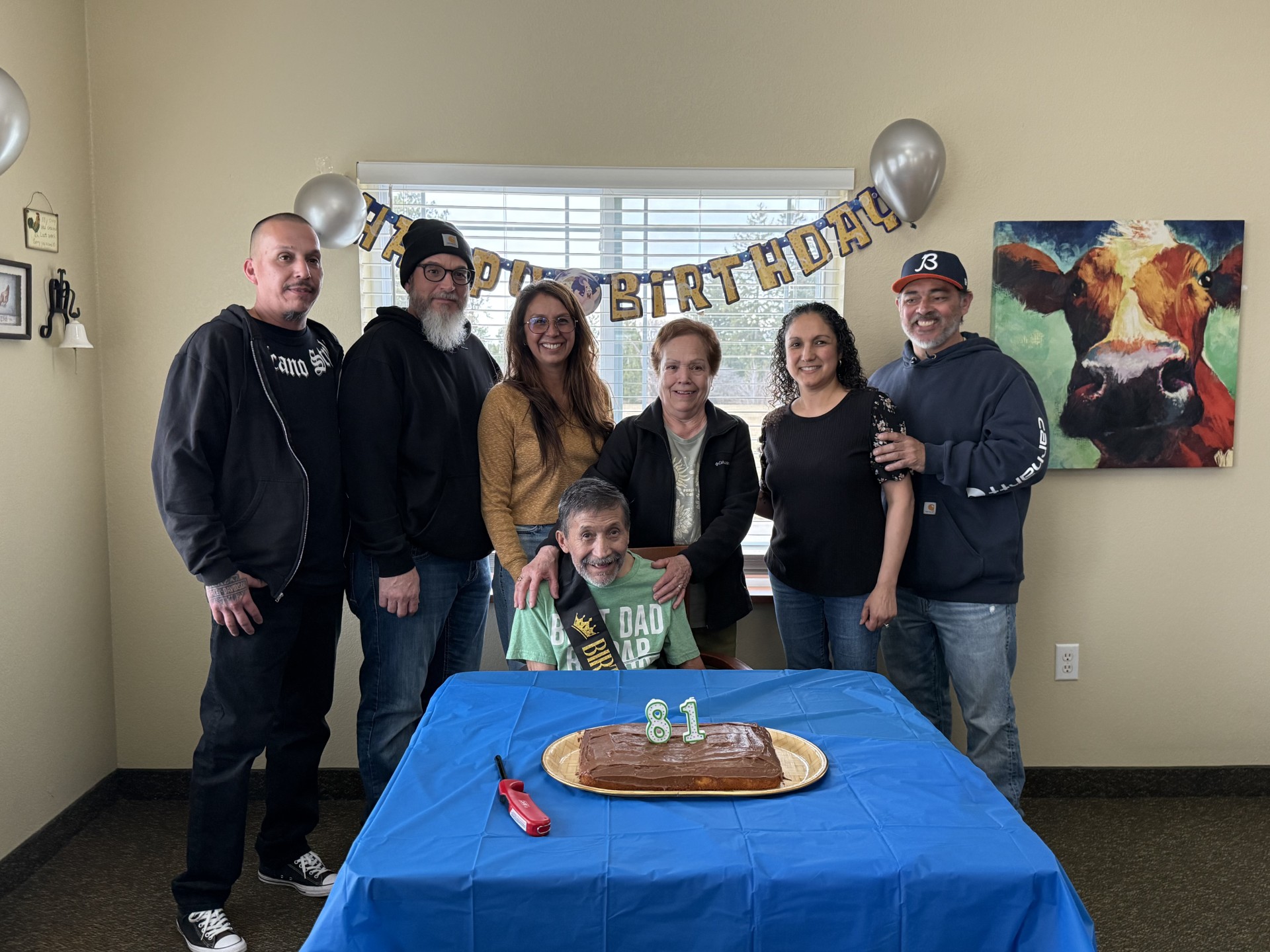
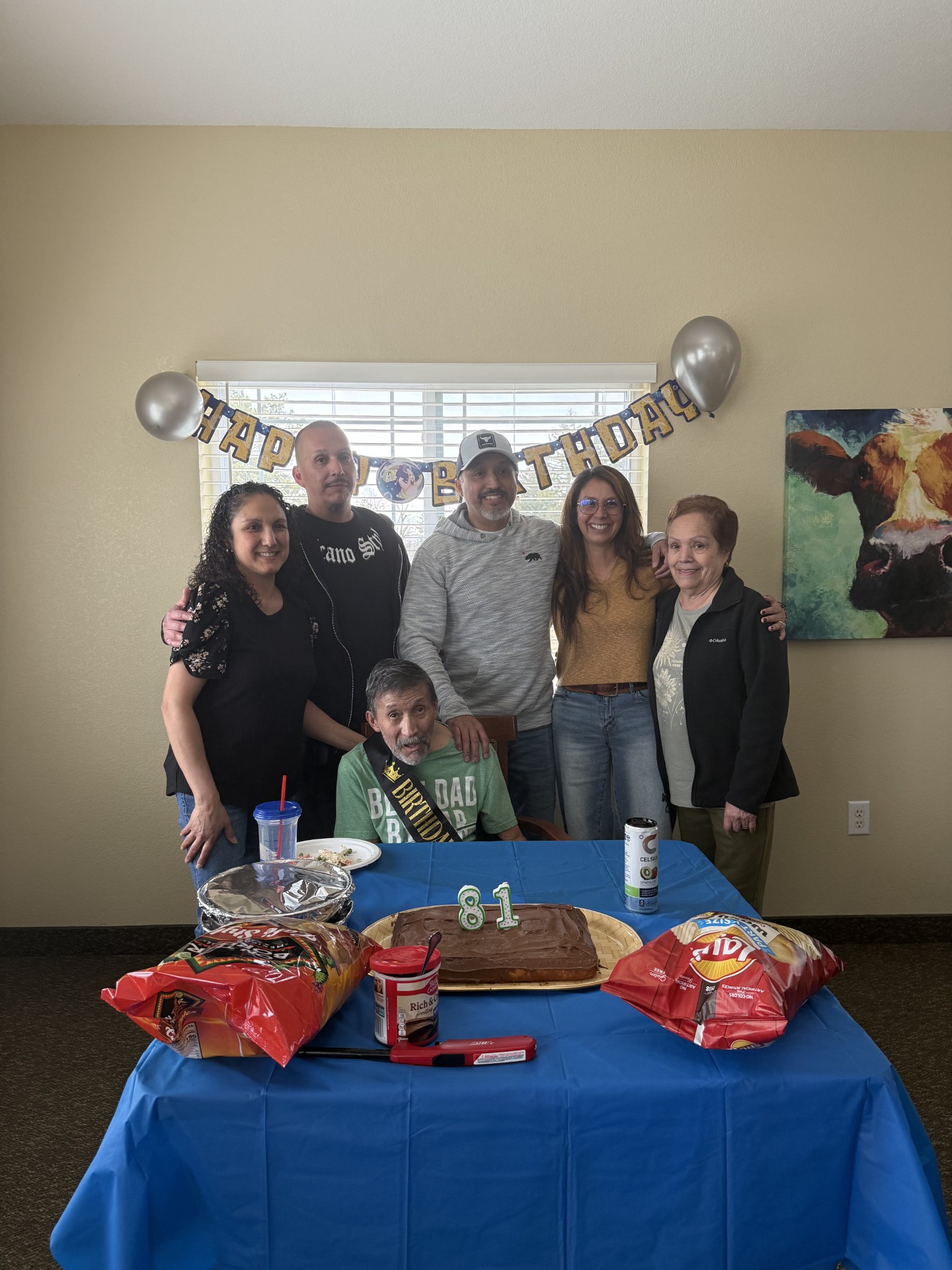
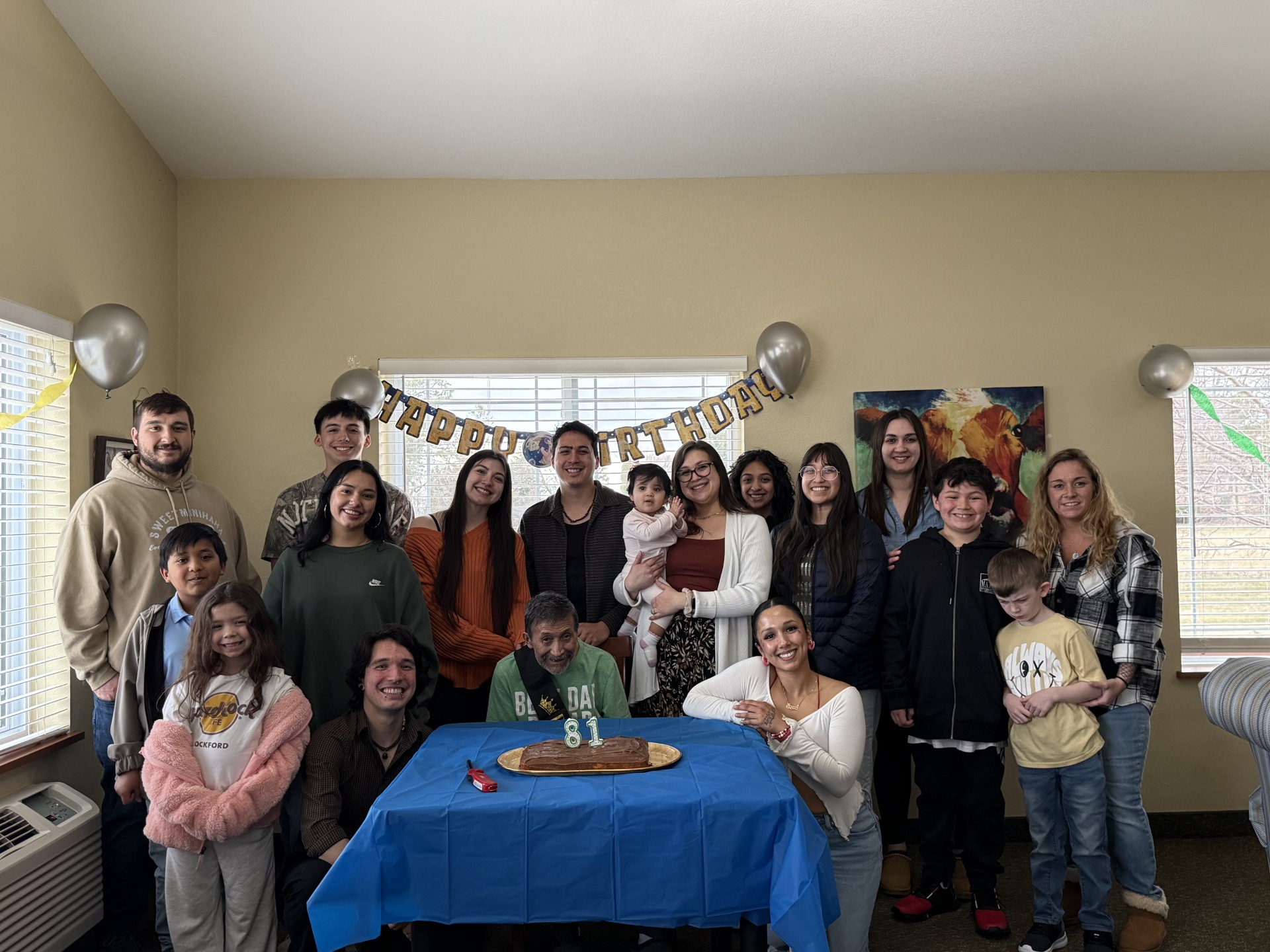
Today, his familiar spark is as strong as ever. Roberto recently celebrated his 81st birthday surrounded by loved ones, proving that while memory may shift, the bond of family remains constant.
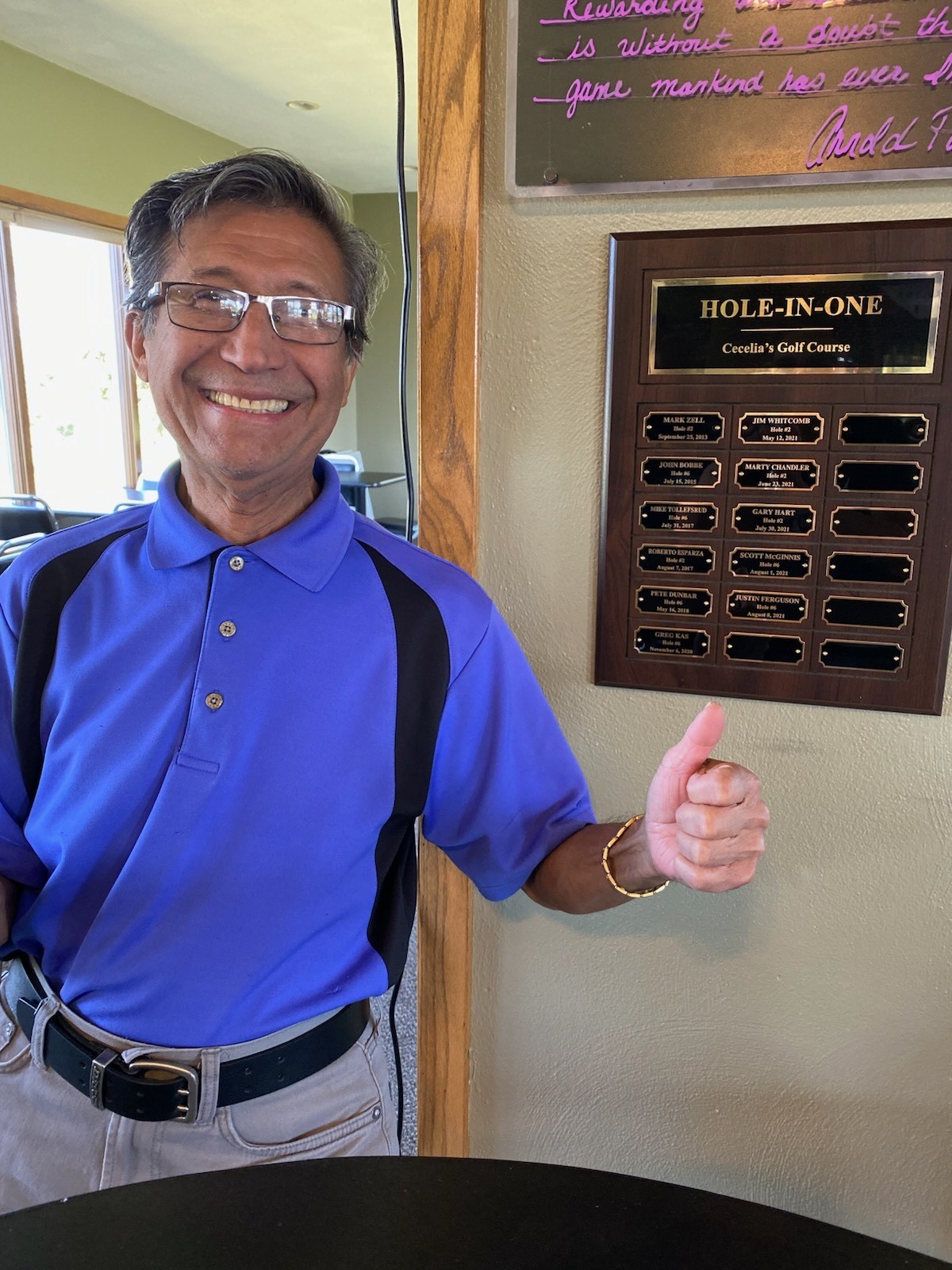
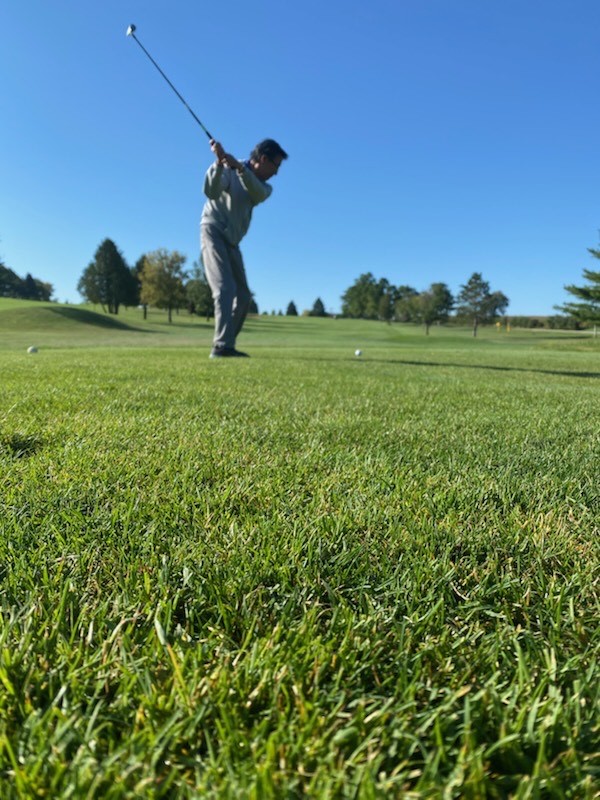
Soccer was his first true passion, and he spent four years playing in a competitive league in his twenties. At the time, he hadn't even heard of golf. It wasn't until he began sewing the bags at Ajay Leisure that he became curious about the sport. That curiosity grew into a lifelong love after a co-worker in Wisconsin invited him to play his first eighteen holes. It didn't take too long for Roberto to become a master of the greens. In August 2017, he achieved every golfer’s dream—carding a hole-in-one at Cecilia’s Golf Course in Janesville.
In his five children, 22 grandchildren, and 10 great-grandchildren, Roberto’s pattern is clearly visible. They carry his blueprint of grit, a deep love for nature, and the unwavering belief that family is the most important thing in life. He taught them that the only thing that holds a person back is themselves—and as he continues his daily "adventures" through the halls of memory care, he proves that joy doesn't need a memory to be real.
Kimberly believes there is a lesson in their "joyful" approach to care: to embrace the eccentric ways our loved ones express themselves. As she watches him walk his laps today, she sees a man who is still dreaming.
"I hope in his mind's eye he sees beautifully manicured fairways and flowered tees,” Kimberly said. “With the smile on his face, we have reason to hope for that, too."
When Adriana reaches out to touch his face, Roberto smiles instantly. Those are the special moments that she holds close to her heart. It is the smile of a man who has provided for his family, designed for the greats, and walked every path with his head held high.
He is Roberto Esparza: a master of his craft, a lover of the trees, and forever "The Man with the Golf Bag."